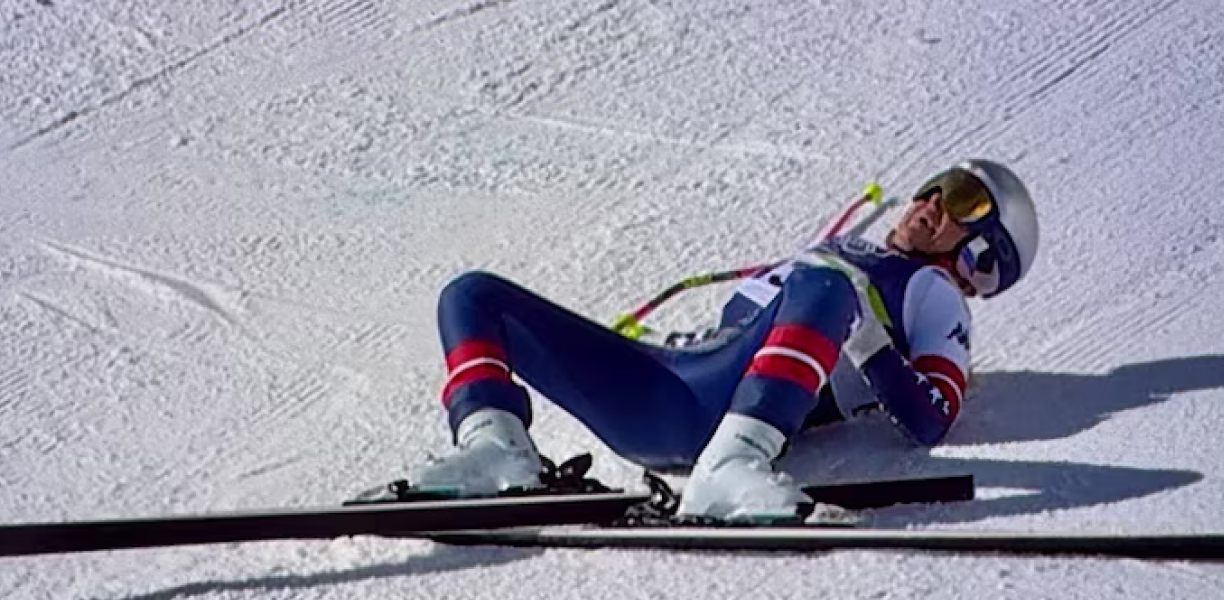
Lindsey Vonn’s dramatic crash in the Women’s Downhill on Sunday, set shockwaves across the world
Images of one of the sports’ greatest screaming in pain before being airlifted off the piste shocked competitors and fans alike.
The footage of Vonn’s fall flooded social media feeds and dominated conversation.
For Olympians about to compete across a range of extreme sports in Milano-Cortina, it was a reminder of the risks they face when competing.
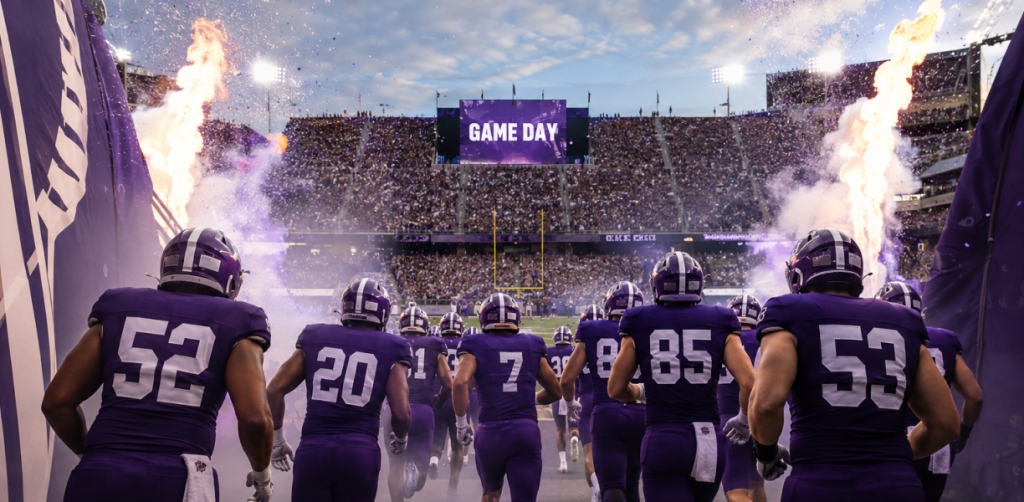
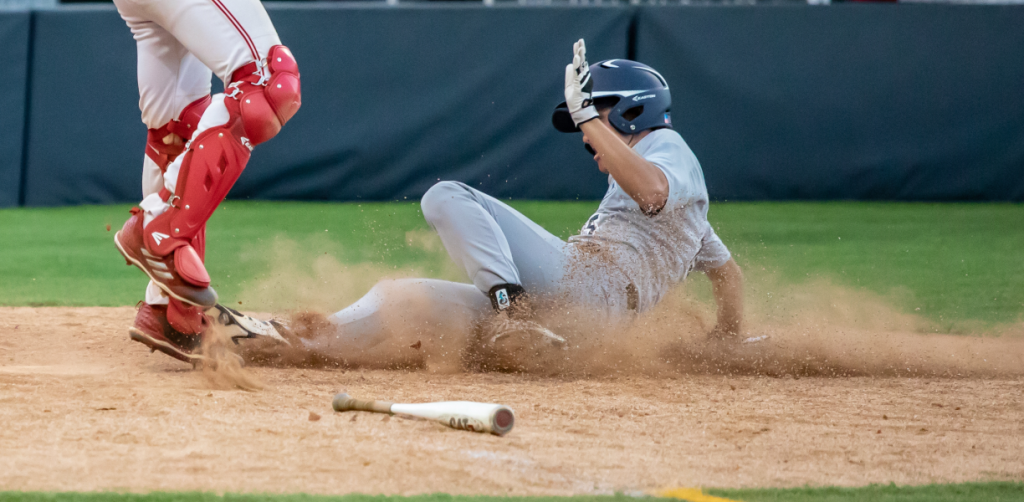
It is an unfortunate reality that all sports, particularly sports involving high speeds, heights, complex movements and contact, can result in at times horrific injuries.
For teammates and opponents, the impact of seeing these injuries can lead to their own mental and physical performance suffering.
Fear after witnessing an injury is normal, but what matters is how athletes respond to it.
Below are three mental skills athletes in any sport can use to move forward with confidence rather than hesitation.
Control the Controllables (Attentional Control)
After witnessing an injury, athletes often shift their focus to what could go wrong.
This widens attention in the wrong direction and fuels fear.
It’s important to get attention back to task-relevant cues like technique, rhythm, breathing, and positioning.
Fear thrives in uncertainty, so re-anchoring attention to controllable actions restores a sense of agency and reduces cognitive overload.
Instead of thinking “That could happen to me,” athletes should refocus on, one technical cue, one breathing rhythm, and one execution goal for the next rep or run.
Acceptance Over Suppression (Emotional Regulation)
Many athletes believe fear should be eliminated before they can perform. That belief often backfires.
It’s important to acknowledge fear without judgment and proceed anyway.
Research consistently shows that accepting emotions (rather than fighting them) reduces their intensity and prevents them from hijacking performance.
An athletes simply internally labels the experience, for example, “I’m I’m feeling fear and that’s normal.”
Then they pair it with a grounding action like a slow exhale, physical reset or cue word, instead of trying to “tough it out.”
Rebuild Trust Through Imagery (Confidence Restoration)
Seeing a teammate injured can disrupt an athlete’s confidence in their own body or environment.
A way to overcome this is to use vivid, mastery-based imagery to mentally rehearse safe, successful execution.
Imagery activates similar neural pathways as physical performance, helping re-establish trust and positive expectation without added physical risk.
For example, athletes should visualize a smooth execution of a skill, stable landings or movements and the feeling of composure under pressure
The Bigger Picture
Extreme environments, whether Olympic ski runs, contact sports, or high-speed competition carry real risk.
Mental skills don’t remove that risk but they can help athletes respond skillfully rather than react emotionally.
Fear after witnessing injury isn’t weakness, failing to train how to handle it is.