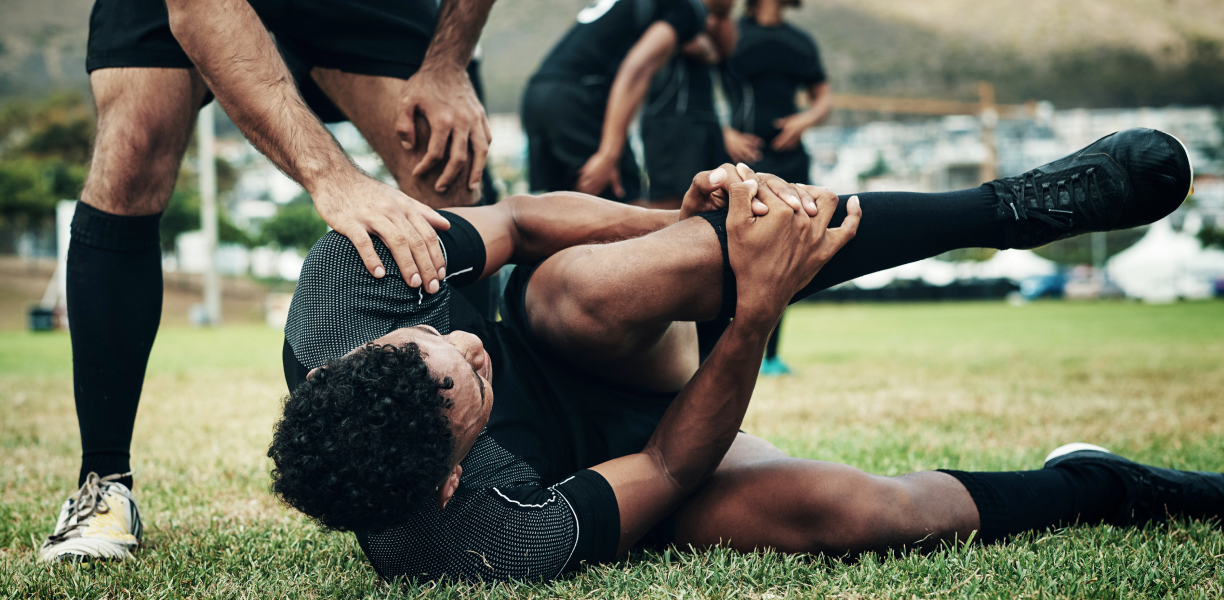
Over the past 20 years, there has been growing concern around what many have referred to as an “injury epidemic” in certain sports.
Traditionally, the focus has been placed heavily on physical load – how much athletes train, how often they compete, and how their bodies are managed across a season.
While load management is undoubtedly important, recent research suggests that it does not tell the full story.
In fact, studies drawing on the William and Andersen stress-injury model highlights that psychological and environmental factors also play a critical role in injury risk.
This model suggests that an athlete’s response to stress is shaped not only by physical demands, but also by personal and life-related stressors that accumulate over time.
One of the key contributors identified is the impact of major life events.
These can range from changes in relationships, academic or career pressures, family dynamics, financial stress, or identity-related challenges.
These stressors do not exist in isolation, but they interact with physical load and can influence both susceptibility to injury and recovery outcomes.
In today’s sporting environment, athletes are also navigating a level of scrutiny that previous generations did not experience.
The rise of social media means performance is constantly visible, analyzed, and commented on.
Alongside this, athletes are balancing expectations from coaches, teammates, fans, and themselves, while also managing life outside of sport – relationships, education or work commitments, and personal identity beyond their athletic role.
When all of these factors are combined, it becomes clear that athletes are not only under physical pressure, but also significant psychological and emotional pressure on a daily basis.
Injury is not just physical
This is why injury and return-to-play should not be viewed purely through a physical lens. While rehabilitation, strength work, and medical care are essential, the mental side of injury is equally important.
An athlete’s thoughts, emotions, stress levels, and ability to cope with uncertainty all play a role in how they experience injury and how effectively they return to performance. Confidence, fear of re-injury, motivation, and patience can all influence the rehabilitation process in meaningful ways.
What athletes can do
While athletes cannot eliminate stress entirely, they can develop tools to better manage it and support both performance and recovery. Some key strategies include:
1. Reframing injury as an opportunity
Injury, while difficult, can also be a period for growth.
It can provide space to develop other areas of performance such as mindset, game understanding, leadership, or physical weaknesses that are often overlooked during competition periods.
2. Managing life stress more effectively
Practices such as meditation, breathing exercises, and journaling can help athletes process stress more effectively.
These tools support emotional regulation and create more awareness around how external stressors may be impacting recovery and performance.
3. Seeking support from mental performance professionals
Working with a mental performance coach or sport psychologist can help athletes navigate the psychological challenges of injury, build coping strategies, and stay mentally engaged throughout the rehabilitation process.
4. Understanding the rehab process
Uncertainty often creates anxiety. Having a clearer understanding of what the rehabilitation journey looks like, including timelines, setbacks, and milestones, can help athletes feel more in control and reduce unnecessary stress.
5. Staying present and managing expectations
One of the biggest challenges during injury is managing expectations about return timelines and performance levels.
Learning to focus on the present stage of recovery, rather than rushing ahead mentally, can significantly improve both mental well-being and physical outcomes.
Ultimately, if we want to better understand injury in modern sport, we need to move beyond purely physical explanations and look into the psychological aspect of injury that will ultimately help with return to play.