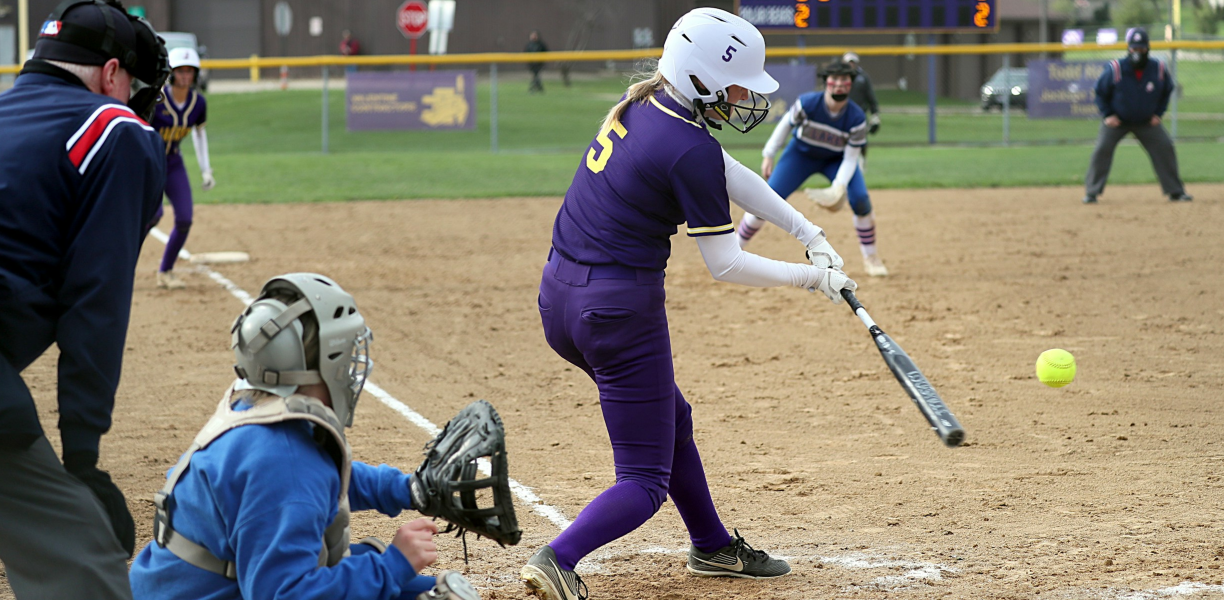
In 2025, a Division I softball program partnered closely with its in-house sport psychologist to integrate structured mental performance training throughout the season.
The result: higher engagement with mental skills training coincided with improved performance in the field.
Using the OMP platform, athletes engaged with targeted mental skills content consistently throughout the year – starting with preseason and then continuing in-season, making mental training a regular part of the competitive process rather than an occasional intervention.
Over a four-month period, the program recorded strong and sustained engagement.
Athletes collectively spent 20 hours, 5 minutes, and 45 seconds engaging with mental performance content, completing 799 content plays and generating 136 app opens.
This reflects consistent exposure and repeated interaction with mental skills resources embedded into the rhythm of the season.
Across the group, engagement varied while still showing strong overall consistency. Athletes completed an average of 12.1 content items each, with usage ranging from 6 to 19 items per athlete.
Most athletes clustered within the 10–15 range, while a smaller group demonstrated higher engagement levels (16–19 items), highlighting both team-wide participation and individual differences in engagement depth.
Several mental skills sessions stood out for particularly high engagement. These included Not Letting Sticky Thoughts Become Sticky Feelings (93.75% of athletes), Build Your Imagery Script (87.5%), and Getting Comfortable with Being Uncomfortable (87.5%).
Additional high-engagement content included Build Your Mental Routine (81.25%) and Guided Imagery Exercise (75%).
These topics reflect key performance themes such as emotional regulation, imagery, adaptability, and routine development under pressure.
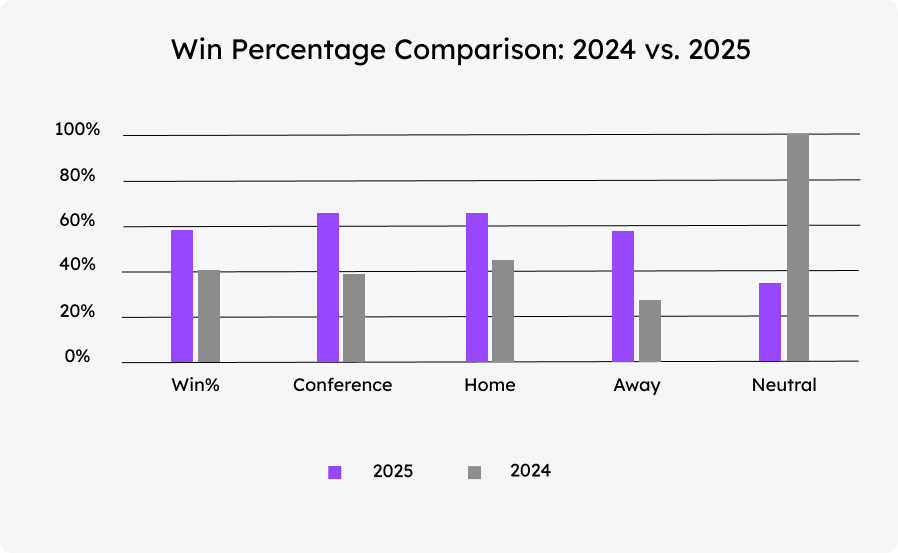
Notably, this consistent mental performance engagement coincided with meaningful improvements in team performance outcomes compared to the previous year.
The program saw a 17.9% increase in overall win percentage, a 27.8% increase in conference win percentage, along with gains in home (+23.8%) and away (+29.8%) performances.
While performance is always influenced by multiple factors – including physical preparation, coaching, and competition dynamics – mental performance served as a consistent layer of support throughout the season.
Rather than being positioned as a standalone initiative, mental performance was embedded into the broader training and competition ecosystem.
Athletes regularly engaged with tools designed to support focus, emotional control, imagery, and routine execution, reinforcing key performance skills across the season.
The key takeaway: mental performance is not a one-time intervention, but a consistent part of the performance process.
In this case, it acted as one important piece of a larger puzzle – contributing alongside coaching, training, and athlete development to support overall growth and competitive performance.