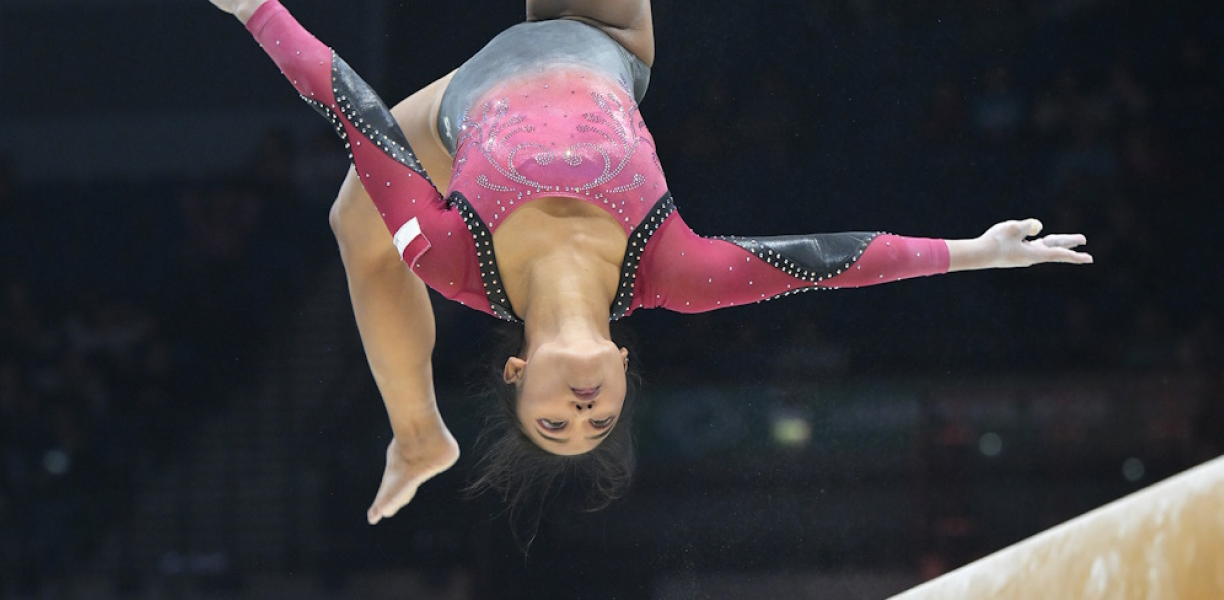
One attempt. Judges watching. No second chance.
That is gymnastics at the World Artistic Gymnastics Championships in Rotterdam starting on Saturday.
It is also a clear picture of something everyone faces, in sport and beyond: performing when it counts, with nothing to fall back on.
The routine before the routine
Athletes who stay steady under pressure rarely rely on luck. They rely on a short routine they have repeated many times. Most have three parts:
- A breath. One slow breath out to settle the body.
- A cue word. A short word, like “smooth” or “tall”, that points attention at the task.
- A physical anchor. A spot to look at, or a small action, that signals it is time to go.
Then they go.
Why it has to be practiced
A routine that first appears on competition day is just one more thing to think about.
The ones that work have been run hundreds of times in training, until they feel automatic.
Try it this week
Whether you are an athlete, a parent helping a young athlete, or a coach, you can start in minutes:
- Pick a breath, a cue word and an anchor.
- Use them before every attempt in practice, not only the big ones.
- Afterward, ask what felt natural and what felt forced, then adjust.
The same routine works before an exam, an audition or a presentation. It does not remove nerves. It gives them somewhere to go.
Support beyond the session
A routine fades if nothing reminds you to use it. Short audio sessions between practices help it stick, which is what OMP offers athletes, teams and the people who support them.