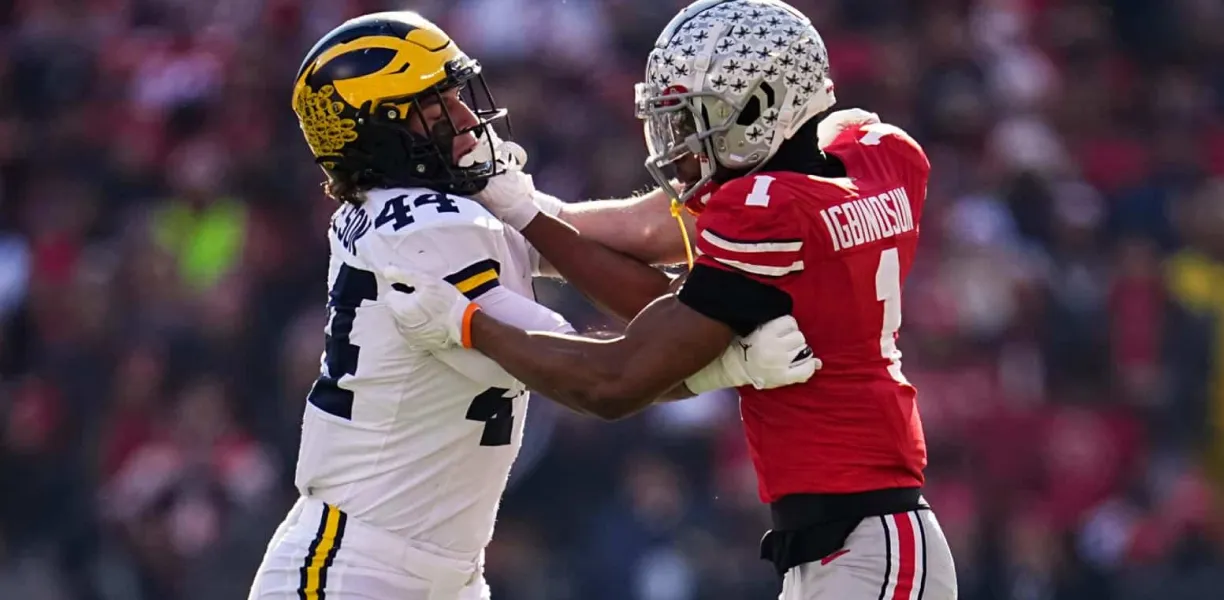
Rivalry week brings the most emotion of the season, and it is the hardest week to stay in control.
The NFL plays its Thanksgiving games on 26 November, and college football's rivalry weekend follows.
The energy can sharpen athletes or hijack them. Anyone who has felt big-game nerves, as a player, a parent in the stands or a fan, knows both sides.
Find your level
Performance is usually best at a moderate level of activation: energized, but not frantic.
Too low and you are flat. Too high and timing and decisions slip.
The right level differs by person, so it helps to learn what "just right" feels like for you.
Routines that keep emotion useful
- Same preparation every week. A familiar build-up makes the game feel less like an event.
- A pre-play cue. A word or breath that brings attention to the job.
- A plan for the first few minutes, because early nerves are normal.
Noise and trash talk
Both are designed to pull attention from the task. Practice staying with what you control: your next assignment, your breathing and your communication.
Rehearse crowd noise in practice so game day is less of a shock.
Reset after the big game
Win or lose, rivalry games drain everyone.
- Allow the emotion.
- Put a time limit on it, such as until the next morning.
- Return attention to next week's plan.
Skipping this step means carrying the last game into the next.